
24 hr
Furano Flower Fields & Biei Blue Pond Day Tour from Sapporo
Explore Hokkaido's stunning countryside with visits to turquoise ponds, lavender fields, and rainbow flower hills
Reserve
Hand-picked by our editors — only the best 5 winter tours from 47 reviewed.
Verified partners for every tour, free cancellation where available, and instant confirmation on every booking.
24 hr
Explore Hokkaido's stunning countryside with visits to turquoise ponds, lavender fields, and rainbow flower hills
Reserve
10 hr
Discover Hokkaido's floral landscapes, azure ponds, and cascading falls on a full-day small-group adventure
Reserve
10 hr 30 min
Discover Biei's seasonal wonders on a full-day guided excursion with three route options year-round
ReservePrices from verified partners. Availability updates in real time at checkout. Free cancellation policies apply where shown.
The landmarks, rooms, and views travelers on this tour remember — all visible on a single visit.
Specializing in hand-carved wooden candles that capture the forest spirit. Forest-themed candle displays.
Famous for its wooden puppets that play musical instruments. Artisan puppet workshop.
Known for delicate paper crafts and seasonal designs. Paper craft artisan shop.
Showcases intricate, handmade kaleidoscopes reflecting local patterns. Kaleidoscope craftsmanship focus.
A cozy coffee house located in the heart of the village. Rustic cafe interior photography.
Ningle Terrace provides an intimate, sheltered atmosphere for shoppers, whereas the Biei Blue Pond offers a raw, expansive wilderness experience; most visitors find the latter to be the more dramatic Hokkaido landmarks stop.
| Feature | Top pick Ningle Terrace | Biei Blue Pond |
|---|---|---|
Environment |
Sheltered forest path | |
Primary Activity |
Artisanal boutique shopping | |
Difficulty of Access |
Easy via hotel grounds | |
Walking Requirement |
Short wooden boardwalk | |
Comfort Level |
High with heated shops | |
Best Time of Day |
16:00–19:00 | |
| See tickets → |
Verdict: Choose Ningle Terrace for a cozy souvenir hunt through illuminated cabins, or select the Blue Pond if you prefer open-air nature photography for your furano biei winter tour tours, as these furano biei winter tour tickets provide distinct ways to enjoy snowy Hokkaido, though some travelers prefer booking a comprehensive furano biei winter tour tour to see both.
Choose your ticket, select your date, and reserve in under two minutes. Secure checkout handled by our verified partner.
Instant confirmation by email, with a mobile voucher you can save offline. No printing, no queuing at a collection desk.
Arrive at the entrance, show your voucher on your phone, and walk in. Most tickets include priority or skip-the-line access.
Practical details for your visit straight from our verified partners — hours, access, rules, and how to get there.
Nakagoryo, Furano, Hokkaido 076-8511
Entrance to the forest path adjacent to the hotel.
Take the Lavender-go bus from Asahikawa Station to the New Furano Prince Hotel stop. Travel time is approximately 2 hours.
Drive from Furano Station to the hotel. Free parking for 390 spaces is available on-site.
Dress in warm, layered clothing suitable for Hokkaido winters, including non-slip footwear for icy wooden boardwalks.
Large luggage should be left at your hotel or in provided lockers at Shin Furano Prince Hotel to navigate the narrow paths.
Photography is permitted and encouraged, especially during the evening illumination; please respect the privacy of shop owners and artisans.
While the boardwalks are scenic, they can be uneven and slippery in winter; wheelchair access may be limited by snow conditions.
The fairytale atmosphere is highly suitable for families, though children should be supervised on the elevated wooden walkways.
A cafe serves local treats like baked milk and hot beverages, ideal for warming up during your furano biei winter tour.
Nakagoryo, Furano, Hokkaido 076-8511
Entrance to the forest path adjacent to the hotel.
Get directionsBest time to go, insider tips, nearby landmarks, and the cancellation fine print — flip through to skim what matters to you.
How crowds, weather, and events shift across the year.
December to February offers the signature snow-covered cabin illumination. Temperatures are sub-zero, so dress warmly for a furano biei winter tour.
July and August feature lush forest greenery. During these months, opening hours may extend to 10:00–20:45.
March to May is the shoulder season. The snow begins to melt, providing a unique mix of winter scenery and early spring growth.
September to October provides mild weather before the November maintenance period. Fall foliage creates a stunning backdrop.
Small details that turn a good visit into a great one.
Visit after dusk for the signature illumination that makes the furano biei winter tour magical. It is the best time to see the forest glow.
For specific craft experiences like Mori no Gakudan, book at least one day in advance to ensure availability.
Keep yen in cash, as many individual artisans prefer cash payments for their handmade items.
Temperatures drop significantly at night, so wear thermal layers even if the day feels mild.
Ensure your boots have good tread, as the wooden boardwalks become very slick with snow and ice.
Non-bookable sights within a short walk — free to visit, easy to pair.
A tranquil cafe surrounded by forest, perfect for quiet reflection.
World-class slopes adjacent to the accommodation area.
A scenic garden showcasing local alpine flora.
Flexible, no hidden fees.
Entry is free for all visitors to Ningle Terrace. If booking a craft workshop, please confirm cancellation windows directly with the specific workshop provider.
Hand-picked options within walking distance — pick a district for vibe, or a specific hotel for convenience.
Direct access to the forest and Ningle Terrace.
Located a short drive away with shuttle options.
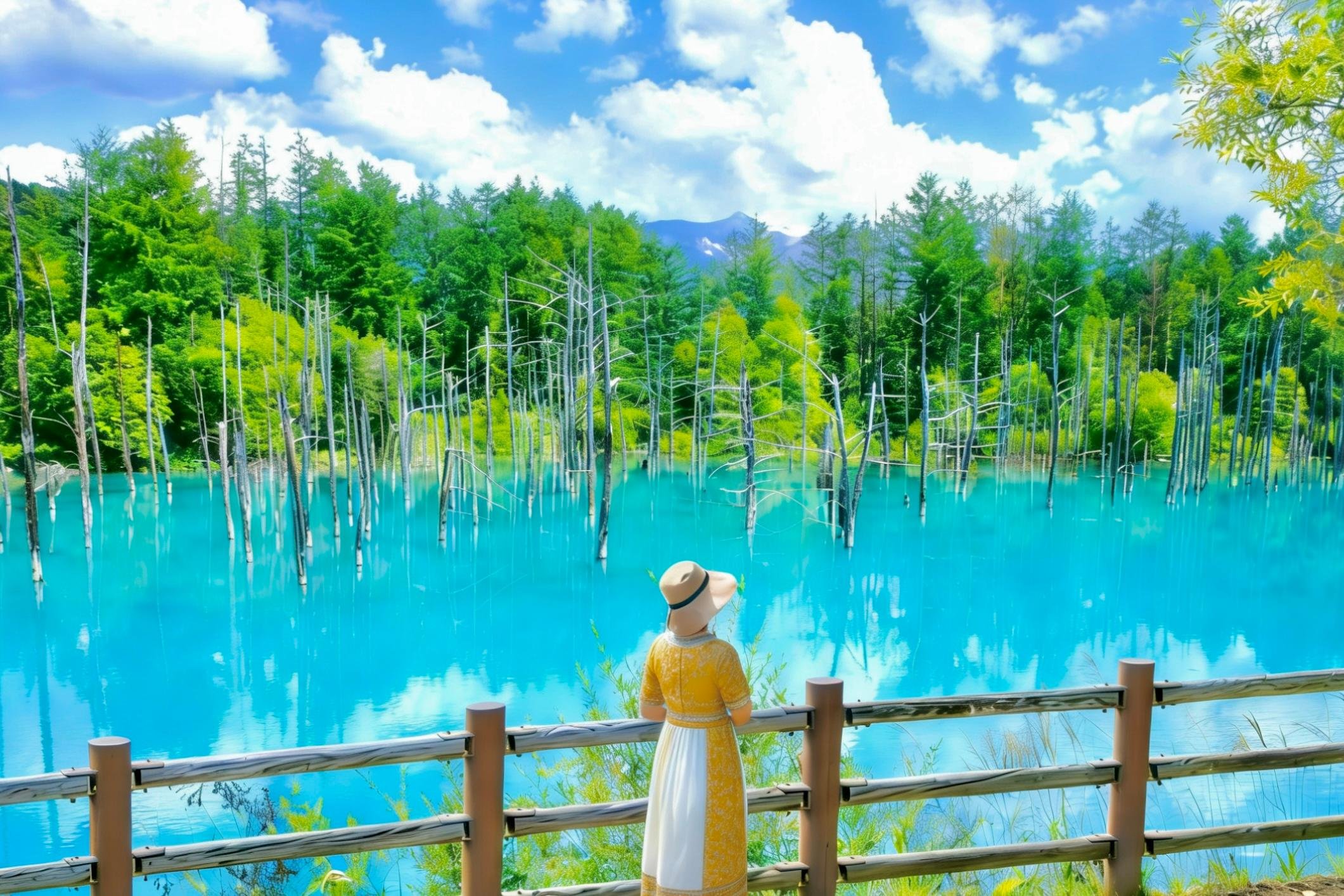
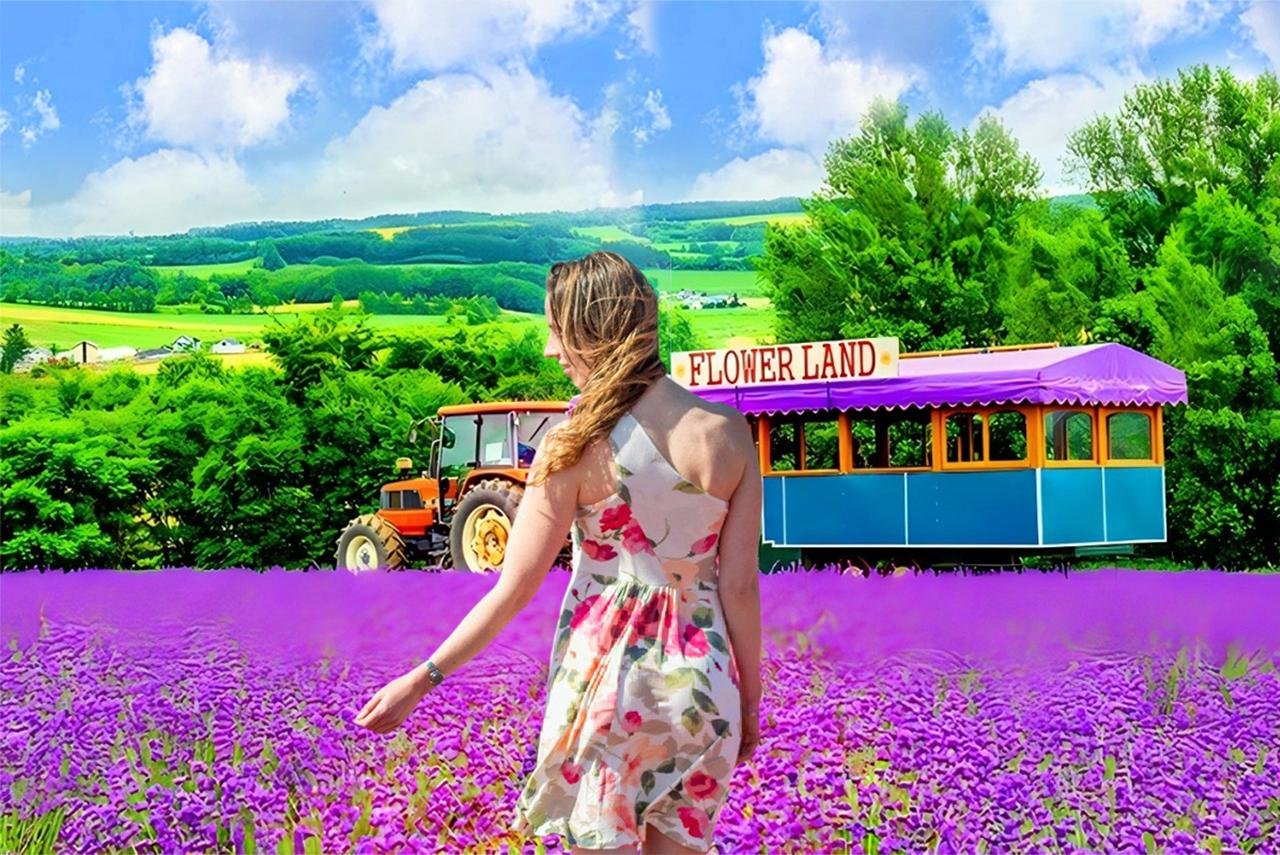
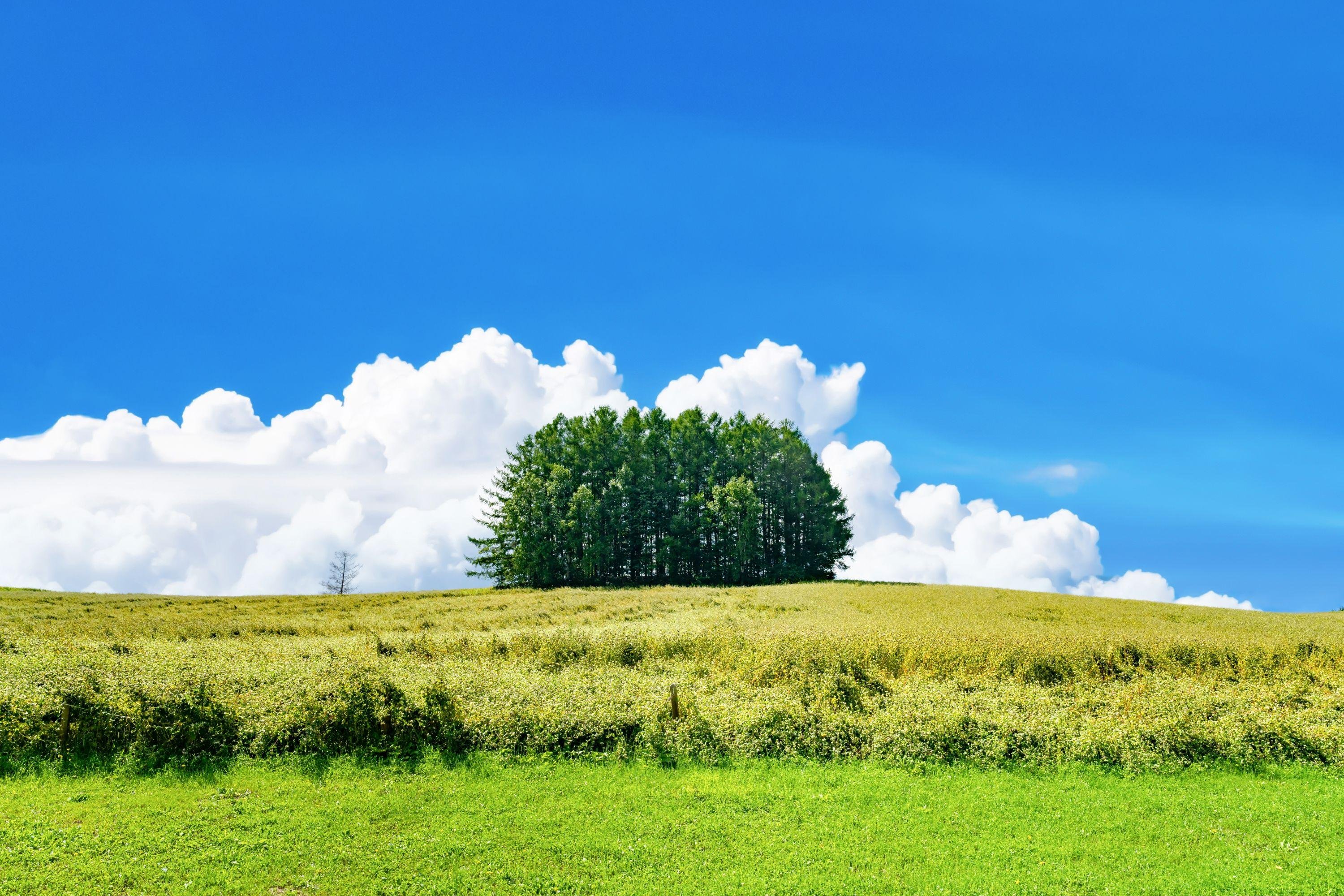
Furano and Biei occupy a narrow volcanic corridor in central Hokkaido, carved by the Tokachi Range uplift seventeen million years ago. The twin towns sit fifty kilometres apart, connected by Route 237, a ribbon of asphalt that cuts through basalt plateaus and ancient larch forests. Winter transforms the region into a monochrome study: snow accumulates in two-metre drifts, lavender fields vanish beneath powder, and the Blue Pond—fed by aluminium-hydroxide springs draining Mount Tokachi—freezes into a milky turquoise mirror. The pond was engineered in 1988 as an erosion barrier after the volcano's last eruption, but algae blooms and mineral particulates now scatter light in wavelengths that render the water an unnatural cerulean, even under ice. Furano Biei winter tour departures from Sapporo concentrate visits between December and March, when daylight shortens to eight hours and temperatures drop below minus fifteen Celsius. The itinerary pivots on three anchors: Blue Pond's evening illumination, which runs nightly from November through April; Shikisai-no-Oka, a sixty-hectare flower farm that converts to a snowmobile park in winter; and Ningle Terrace, a cluster of fifteen log cabins selling handmade pottery and woodwork beneath string lights strung through fir canopies. The terrace—named after a fictional forest sprite in novelist Sō Kuramoto's work—opens daily from noon to eight forty-five, though the illumination only ignites after dusk. Most tours allocate forty minutes at the pond and ninety minutes at the terrace, leaving little margin for delay. Biei's topography explains its photographic appeal. The Tokachi foothills rise in gentle swells, creating natural sightlines that extend twelve kilometres on clear days. Farmers plant wheat, potato, and beet in geometric plots that follow contour lines, producing a patchwork visible from overlooks like Ken and Mary Tree—a poplar named after a 1972 Nissan advertisement—and Mild Seven Hill, stripped of its tobacco sponsorship but still anchored by a lone larch cluster. Snow erases crop boundaries but sharpens the silhouettes of windbreaks and solitary trees, elements that Japanese landscape photographers prize for their minimalist compositions. Winter tours include these roadside stops, though passengers remain on coaches except at designated photo platforms. The region's winter economy depends on this compressed season. Furano's ski resorts and Biei's pension lodges fill weekends from late December through February, when Sapporo residents drive two hours for day trips. Tour operators bundle Blue Pond access with lesser-known sites—Shirogane Falls, which freezes into columnar ice, and Farm Tomita's greenhouse, where forced lavender blooms year-round under artificial light. These combinations distinguish Furano Biei winter tour packages from summer itineraries, which emphasize lavender harvests and open-air flower viewing.
"Snow erases crop boundaries but sharpens the silhouettes of windbreaks and solitary trees, elements that Japanese landscape photographers prize for their minimalist compositions."
A step-by-step walkthrough of the visit — what you'll see, how long each stage takes, and the details that matter.
You board in Sapporo at eight in the morning, the coach pulling north through suburbs that thin into birch corridors within forty minutes. First stop is Shikisai-no-Oka, where you step onto packed snow and scan a sixty-hectare slope striped white and brown, the flower rows dormant beneath powder. A gift shop sells lavender sachets and potato croquettes; you have fifteen minutes before reboarding. The coach climbs toward Biei, stopping at Ken and Mary Tree for a photo opportunity. You frame the poplar against the Tokachi peaks, wind slicing through your jacket. Back on the road, the driver narrates in Japanese—a translator app catches fragments about volcanic soil and crop rotation. Blue Pond arrives near three in the afternoon. You walk a plank boardwalk to the viewing platform, the pond's frozen surface glowing pale turquoise even in daylight. Bare larch trunks pierce the ice like charred matchsticks. The illumination system is off; that begins at four-thirty. Ningle Terrace opens at dusk. You wander a network of wooden cabins connected by elevated paths, each cabin lit by Edison bulbs and stocked with Hokkaido craft—glass pendants, indigo-dyed scarves, ceramic mugs glazed in ash tones. The terrace runs along a ravine; below, a frozen stream reflects string lights strung overhead. You buy roasted chestnuts from a vendor stall, the bag warming your palms. At seven-fifteen, the coach departs for Sapporo, arriving near ten.
Entrance fee: 0 JPY (Free entry to Ningle Terrace).
The opening hours are 12:00–20:45 daily, with seasonal extensions in summer.
Visit after dusk (16:00–19:00) to experience the signature forest night illumination.
Yes, it is family-friendly, though please watch them on the boardwalks.
Yes, there are 390 spaces available for free parking.
Ningle Terrace itself is free, but you can book specific craft tours through third-party operators.
Yes, there is a cafe serving drinks and local snacks.
The address is Nakagoryo, Furano, Hokkaido 076-8511, Japan.
Yes, it is open year-round, except for temporary maintenance in November.